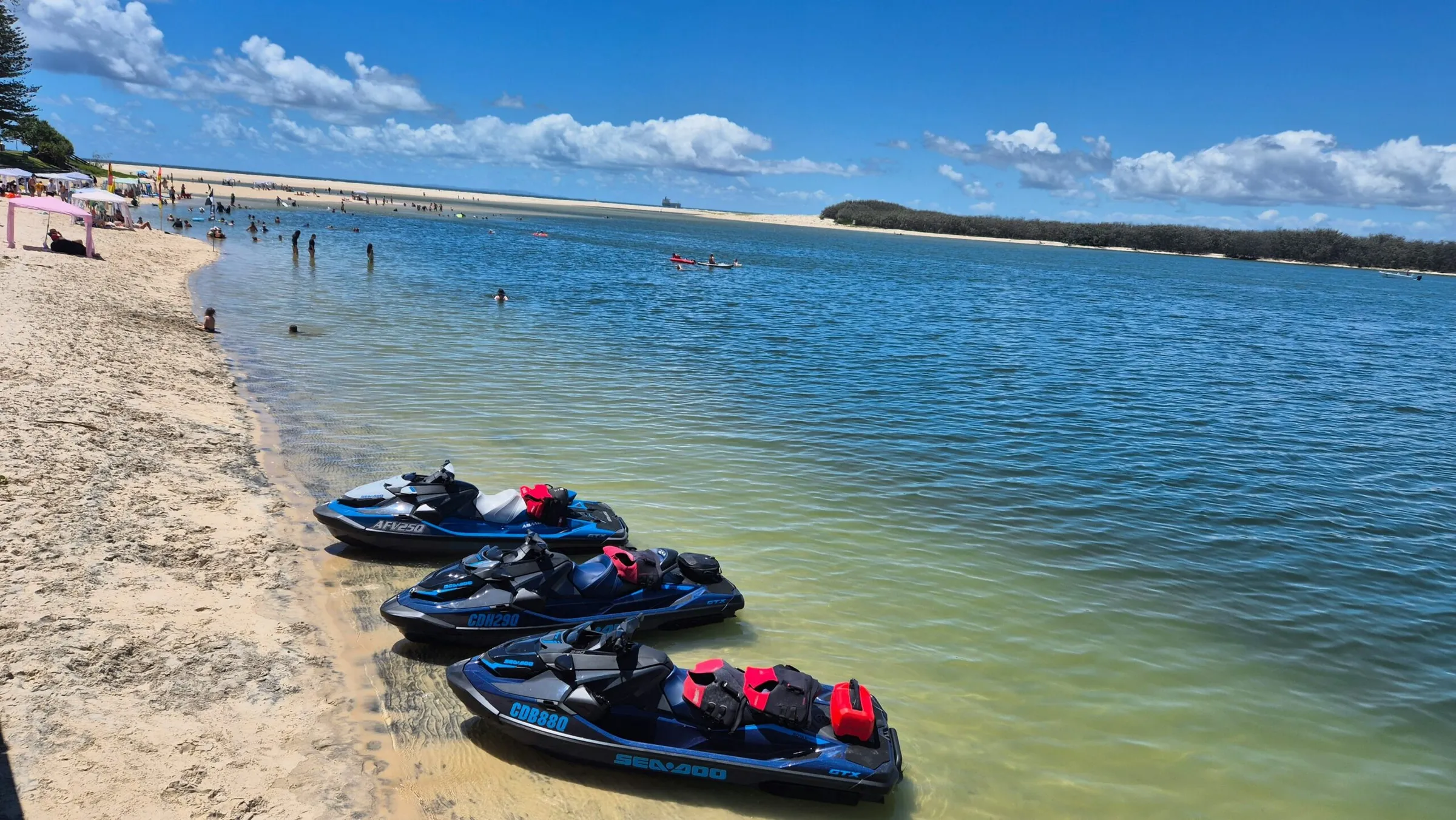

There’s a very specific kind of excitement that comes with deciding you want to buy a boat.
It usually starts somewhere innocent. A weekend on a friend’s vessel. A fishing trip that went a little too well. A lazy afternoon watching someone glide across the water thinking… that could be me.
And then suddenly you’re three hours deep into listings at midnight, completely overwhelmed, wondering why there are approximately four thousand different boat types and why nobody warned you that “runabout” and “bowrider” are apparently different things.
Welcome to the research phase. It’s equal parts thrilling and confusing, and almost everyone underestimates it.
The good news? The research phase isn’t the boring part before the fun begins. Done well, it’s the thing that makes every moment on the water better. The right boat for your life might look nothing like what your neighbour just bought. That’s great news, because it means there’s something out there that fits your life perfectly. We just need to figure out what that is.
One of the smartest things you can do before you fall in love with a boat is to get pre-approved finance. It gives you a hard ceiling to work within, so your emotions don’t do your budgeting for you when you find something beautiful. It also puts you in a much stronger position when you’re ready to move quickly on the right vessel.
Fido Finance makes pre-approval straightforward – comparing 30+ lenders on your behalf to find competitive boat loan options.
Ready to get started?
Get a fast, obligation-free finance quote from an award-winning Fido Finance broker today.
Step one: Get honest about how you're going to use it
This is the question that most first-time buyers skip straight past, and it’s the most important one on the list. Not “what kind of boat looks amazing?” – that’s easy. But what are you genuinely, realistically going to do with this thing on a regular Saturday morning? Because a boat built for deep-sea fishing is a genuinely miserable experience on a calm lake. A gorgeous long-range cruiser is complete overkill if your version of boating is towing the kids on a tube around a bay. And a wakeboarding boat will exhaust you and your wallet if you mostly just want to drift and fish. The boating world broadly breaks down into a few lifestyle categories worth knowing:
Cruising and travel…
is for the people who want to go somewhere. Whether that’s coastal day trips or multi-day passages, this is about distance, comfort, and the journey itself. Think sailboats, cabin cruisers, or motorsailers. Space and fuel range matter here far more than raw speed.
Entertainment and social boating…
is exactly what it sounds like. You want people on board. Music, sunshine, a cooler, somewhere comfortable to sit. Deck boats and pontoon boats were basically designed for this life because they’re wide, stable, social, and forgiving.
Fishing…
is its own world entirely, and it splits further depending on where you’re fishing. Deep-sea and offshore work demands a centre console or a walkaround with a serious hull design built for open water chop. Bass and freshwater fishing is a completely different beast. You’ll need something lower, flatter and purpose-built for shallow water precision.
Water sports
Wakeboarding, skiing and tubing need dedicated inboard or wake-specific boats. The hull shape, the wake profile and the engine placement all matter in ways you won’t fully appreciate until you’re on the water. Nobody’s judging the answer here. A pontoon boat for lazy Sunday afternoons with the family is just as legitimate as an offshore fishing rig. What matters is that the boat matches the life you’re going to live, not the one that looks best in photos.
Step two: Build a budget that includes the whole picture
Smart buyers budget for the boat. Really smart buyers budget for everything that comes with it. Before you set a purchase budget, make sure it has room for:
Insurance
Mandatory in most states and territories, and varies significantly based on vessel type, size, and how you use it.
Fuel
This one fluctuates, but larger engines and longer trips add up quickly. A boat with a thirsty V8 can empty your wallet on a single weekend if you’re not paying attention, especially when fuel is expensive.
Maintenance and servicing
Engines need regular servicing, hulls need antifouling if they’re in the water and trailers need maintenance if you’re towing. Budget a percentage of the purchase price annually just for keeping things in good working order.
Storage
More on this shortly, but marina berths and dry storage facilities are ongoing costs that vary a lot by location. Before you fall in love with a boat, spend some time thinking about what a comfortable monthly repayment looks like for your life. Not what’s technically possible on paper, but what you’d genuinely be relaxed about when it lands in your account alongside everything else you’ve got going on. There’s a real thing that happens to buyers who stretch too far. The boat sits unused because every trip feels expensive. Maintenance gets deferred. What was supposed to be a source of enjoyment becomes a source of quiet stress. Boaters call it “boat poverty” and it’s more common than the marina crowd would have you believe. Remember: boats that get used are the ones that were bought within budget.
Step three: Think carefully about who's coming with you
Passenger capacity isn’t just a comfort consideration. It’s a safety and legal one.
Every vessel has a maximum rated capacity, and that figure exists because exceeding it is genuinely dangerous. Before you get attached to a particular size, think realistically about your typical crew. Is this mostly you and a partner? A family of four or five? Do you regularly host larger groups?
A boat that feels spacious for two becomes a very different experience with six adults and three kids on board. And going too large for your typical usage means you’re paying to maintain and fuel space you’re never actually using.
There’s also the comfort dimension. Enough room to move around safely, somewhere for everyone to sit properly, adequate storage for gear and supplies. These things matter more than they sound when you’re out on the water for six hours.
Step four: Know your water
This one surprises people. The body of water you’re boating on genuinely dictates what kind of boat you need, possibly more than anything else on this list.
A calm inland lake…
is one of the more forgiving environments you can boat in. The water is flat, the distances are short, and a wide range of hull designs perform perfectly well there.
Coastal waters, harbours, and estuaries…
introduce chop, tides, and variable conditions. You need a hull that handles movement, adequate freeboard (the height of the hull above the waterline), and the power to handle conditions when they change unexpectedly.
Open ocean…
is a different category entirely. The hull needs to be purpose-built for serious offshore conditions, and this is genuinely not the place for compromises. Beyond the physical conditions, check the local regulations for your waterways. Some areas have restrictions on vessel size, speed, engine type, or required safety equipment. Finding this out after you’ve already bought the boat is the kind of experience that makes grown adults cry in a marina car park. Starting to get a clearer picture of what you’re looking for? Getting pre-approved before you go any further means you’ll know exactly what you can spend before seeing a boat that makes you forget you had a budget at all.
Ready to get started?
Get a fast, obligation-free finance quote from an award-winning Fido Finance broker today.
Step five: Match the engine to what you need
Engine conversations can spiral into technical territory quickly, but the fundamentals are straightforward.
Power to purpose
Water sports demand high horsepower because you need the grunt to pull a skier or wakeboarder out of the water cleanly. Long-range fishing or cruising generally rewards fuel economy over raw power. Casual day boating sits comfortably in the middle ground.
Engine placement matters
Outboard engines sit on the transom (the back of the boat) and are the most common setup for smaller vessels. They’re accessible for servicing, replaceable, and generally more fuel efficient. Inboard engines sit inside the hull, which shifts weight distribution and changes the ride. They’re standard for water sports boats where wake shape is critical. Jet drives use a water jet rather than a propeller, which makes them ideal for shallow water since there’s nothing hanging below the hull.
Fuel type
Petrol engines are the most common choice for recreational boating in Australia because they’re widely available, relatively straightforward to maintain, and suitable for most use cases. Diesel becomes more relevant on larger vessels where long-range efficiency and torque matter more, but it comes with higher upfront cost and more specialised servicing requirements.
Step six: Sort out storage before you buy
Where is this boat going when you’re not on it? The answer shapes your purchase decision more than most people expect.
Trailerable boats…
can be towed home and stored in your driveway or garage. This eliminates ongoing marina costs, but it means you need a vehicle with sufficient towing capacity, a suitable trailer, and somewhere at home to put it. It also means every trip involves launching and retrieving, which adds time and a skill set you’ll need to develop.
Berthed boats…
live at a marina or on a mooring. You just arrive, go out, come back, and leave. It’s a much more spontaneous lifestyle, but marina fees are an ongoing cost, and proximity to your home matters if you want to use your boat every week. Hull material plays into this decision too. Aluminium hulls are lighter, which makes trailering easier and towing vehicle requirements more manageable. Fibreglass is heavier but more common in larger vessels. There’s a direct relationship between what you choose here and what your storage and transport situation needs to look like.
Step seven: Understand what the boat Is made of
You don’t need to be an engineer, but a basic understanding of hull materials saves you from surprises down the track.
Aluminium…
is lightweight, low maintenance, and handles knocks and scrapes well. It’s the dominant choice for fishing boats and tinnies in Australia for good reason. It’s practical, durable, and relatively affordable.
Fibreglass…
is the most common material for recreational boats globally. It looks great, handles well, and can be repaired when damaged. It’s heavier than aluminium, and requires antifouling if it’s going to live in the water.
Plastic…
or more specifically polyethylene, tends to appear in smaller recreational vessels, kayaks and certain fishing boats. It’s virtually maintenance free, handles bumps and scrapes without complaint, and sits at the more affordable end of the market. The trade-off is that it doesn’t lend itself to larger or high-performance builds, so its relevance here depends entirely on what size vessel you’re considering.
Timber…
has a romantic quality to it that’s hard to deny, but it demands significantly more maintenance than modern materials. It’s beautiful when kept up, but a project if it isn’t.
Steel…
is predominantly used in larger bluewater and commercial vessels where strength and durability in serious conditions outweigh the significant weight and ongoing maintenance requirements. It’s less common in recreational boating, but worth knowing about if a small commercial vessel is on your radar.
Composite and advanced materials…
appear more in performance and sailing vessels. They’re lighter and stiffer than fibreglass, but at considerably higher cost.
Inflatables and RIBs…
(rigid inflatable boats) deserve a mention because they’re often overlooked. The right inflatable can be an excellent tender or a surprisingly capable small vessel, and they store far more easily than a rigid hull. On hull shape: a monohull is a single hull, which is what most powerboats are. Multihulls such as catamarans and trimarans have two or more hulls and offer exceptional stability and deck space, which makes them popular for both sailing and recreational cruising. Monohulls are generally more agile and easier to berth.
Step eight: Do your market research properly
Once you know what you’re looking for, spend time understanding what it’s worth.
Look at multiple listings for the same model across different platforms. Understand what a fair price looks like before you’re sitting across from a seller feeling the pressure to decide. Prices vary significantly based on age, condition, hours on the engine, and local demand, so knowing the range gives you confidence.
Brand reputation matters in boating, particularly for reliability and resale value. Some manufacturers have long histories of building vessels that hold their value and don’t develop chronic issues. Others… less so. Spend time in boating forums and pay attention to what owners complain about after two or three years of ownership, because that’s usually where the real picture emerges.
Also worth understanding is local inventory. If there are very few examples of your target vessel in your area, that might mean sourcing it from interstate with additional transport costs. If there are plenty available, you have more negotiating room.
You're more ready than you think
Walk into a boat show this weekend and you’ll notice that instead of wandering around feeling vaguely overwhelmed by everything, you’ll actually know what you’re looking at. What fits your life and what doesn’t. What a fair price looks like. Which questions are worth asking and which boats aren’t even worth your time.
That’s a completely different experience to walking in blind.
From here, the work shifts from research to reality, which means getting in front of actual boats, sizing up sellers, and knowing exactly what a proper inspection should cover before any money changes hands.
But keep your eye on the prize. Because at the end of all of this is a Saturday morning on the water with nowhere else to be. And that makes every hour of research completely worth it.
When the right boat catches your eye, knowing exactly what you can spend means you can move on it with confidence rather than scrambling to figure out your finances after the fact.
Ready to get started?
Get a fast, obligation-free finance quote from an award-winning Fido Finance broker today.